“It wasn’t just the Nazis,” Mieke said. “It was the people you knew. That’s what made it terrifying.”
My friends, Durk and Mieke Schaap, now in their mid-90s, lived through the Second World War not as soldiers or resistance leaders, but as children in a small Dutch village.
Resistors and Sympathizers
“My own father was a good man; quiet and hardworking. But during the war he was doing more than I realized.” Mieke knows that in her home there were whispered discussions with her father and others in the resistance about hidden radios to listen to news of the Allies.
“I didn’t get afraid really, I just trusted my parents knew what to do.” The uncertainty of betrayal was much more serious than a young girl could understand.
She remembers the lowered voices, and coded conversations were sometimes discussions about where villagers sympathized, or what resistance fighters had to be moved through the underground.
The sympathizers, Dutch Nazis, reported their own neighbours for hiding Jews, secret radios to listen to forbidden Radio Oranje broadcasts.
And had to kill a Nazi officer during the final years of the occupation to avoid his friends from being discovered.”
The Onderduikers (Hidden people)
Most of the town was choosing collectively, to support the hiding and feeding of Jewish families. Knowing that being caught meant they would be shot. Their village held the remarkable distinction of hiding more Jews than any other village in the eastern Netherlands.
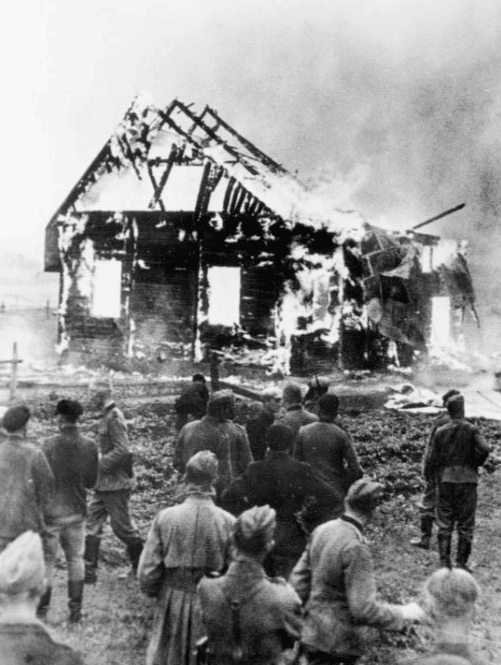
It was an especially long day of bread delivery and as Durk cycled his route towards home, a German soldier stopped him. He braked, and was ordered to get off. The soldier pointed for him to stand with other villagers and they were all forced to stare at the bloody body of a murdered Dutch farmer to whom Durk had delivered bread to earlier that week.
“What did he do wrong?” I asked.
“I don’t know,” Durk shrugged, “it was their way to warn us to never disobey the Nazi rulers.They shot him and dumped him into the ditch. We saw across the field his farmhouse and barn were on fire.”
We’d been together for over three hours, listening to their moving stories. “Durk, Mieke, I am humbled to hear your stories. I’m deeply impressed by your quiet, practical response to such difficulty.”
Meike smiles as she remembers the day that war finally ended, “May 5, 1945, V Day. We found out from those with radios that the Germans surrendered. People were singing and dancing in the streets, and everyone was going nuts!”
When I asked Durk how it felt, he looked at me with a quizzical, puzzled look. “Unless you’re in it, Grayson,” he said, “there’s no way you can imagine.”
In their lives, what we would easily call bravery, they just called daily activity.
I’m wondering if courage still lives in the small decisions I make about what I say, when I stay silent, and who I reach out to encourage.